Rush Job Icons: A Designer's Take on Clean Embroidery
As someone who spends more time staring at stitch previews than I do sleeping, I have developed a keen eye for what works under the needle and what looks great on a screen but fails in thread. When I first pulled up the Rush Job Icons collection, my initial reaction was one of cautious optimism. In the world of digital embroidery file assets, "simple and clean" is often code for "boring" or "too basic to hold interest." However, after mentally walking these designs through a real-world production scenario, I realized that their simplicity is actually their superpower.
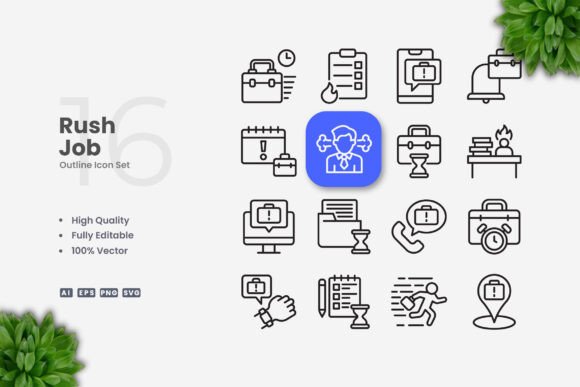
The visual personality of Rush Job Icons is undeniably modern. They lack the ornate flourishes of vintage motifs or the heavy density of traditional fill work. Instead, they rely on strong shapes and clear lines. For an embroidery designer, this suggests a reliance on running stitch outlines or perhaps light satin stitch columns rather than dense fill stitch areas. This is crucial because it means the design breathes. It doesn't turn your fabric into a cardboard stiffener, which is a common complaint with cheaper machine embroidery design packs.
Putting the Design to the Test: The Tote Bag Scenario
To truly evaluate these Icons, I imagined a specific client request that many of us face: a rush order for branded tote bags for a local coffee shop launch. The client wants something recognizable, quick to stitch, and durable enough for daily use. This is where Rush Job Icons shines. Because the description highlights that you can resize, change color, or edit stroke weight, the flexibility here is immense.
Picture a canvas tote bag. If I were to slap a heavy, dense logo in the center, the bag would pucker, and the handle attachment points might get distorted. With the cleaner lines of this collection, the stitch density remains low enough to maintain the drape of the fabric. The result is a finished product that feels high-end and intentional, not like a cheap promotional item. The clarity of the shape ensures that even from across the room, the branding is legible. For an Etsy seller or small shop owner, this kind of versatility translates directly to customer trust. A clean stitch job signals professionalism.
Versatility Across Products and Fabrics
Beyond tote bags, the application potential for Rush Job Icons is broad. I can easily see these working as sweatshirt embroidery on the chest or sleeve, where minimalism is currently trending. They would also excel as baby embroidery on onesies or bibs, where heavy stitching can be uncomfortable against sensitive skin. The ability to scale these graphics means they can function as tiny accents on a pocket or as a larger statement piece on a back panel.
However, we must talk about where caution is needed. While the design is clean, very small details can vanish if you shrink them too much for a tiny hoop size. If you are working on textured fabrics like waffle weave or thick terry cloth towels, the fine lines of a running stitch might get lost in the pile. In those cases, you might need to increase the stroke weight significantly before digitizing or finalizing the file. Similarly, on stretchy knits, even a light design needs a quality stabilizer to prevent distortion during wear and washing. Always test on scrap fabric first; never assume a digital preview perfectly matches the behavior of thread on a specific fabric texture.
Commercial Viability and Brand Consistency
For those running a craft business, consistency is key. Whether you are making custom apparel, embroidered patches, or home decor like pillow covers, your design assets need to look like they belong to the same family. The uniform style of Rush Job Icons makes building a cohesive collection easy. You aren't mixing disparate styles; you are building a brand language.
This consistency boosts the perceived value of your handmade product. A customer buying a personalized gift or a boutique item wants to feel they are purchasing something curated, not cobbled together. These icons provide that polished look. Furthermore, because they are described as perfect for infographics, flyers, and social media, there is a strong opportunity to create matching printable mockup materials. You can show your customers exactly how the embroidery project will look alongside their digital branding, creating a seamless experience from online store to physical delivery.
Practical Notes for the Working Designer
Before you commit to using Rush Job Icons for a large batch of holiday embroidery or commercial orders, there are a few technical boxes to check. Since the product description mentions editing stroke weight, ensure you have the software capability to do so if the native file format doesn't suit your machine immediately. Check the thread colors against your actual inventory; sometimes a design looks great in RGB on a screen but requires obscure thread shades that you don't stock.
It is also vital to verify the licensing terms. While these are marketed as versatile Graphics, selling finished items versus selling the digital file itself often carries different rules. Confirm whether you can use these for commercial embroidery projects without attribution or if there are limits on the number of physical sales. Additionally, inspect the corners of the icons. Sharp angles in digital vectors can sometimes result in bird-nesting or thread breaks if the digitizing isn't optimized for the turn. A quick test stitch on a similar weight fabric will reveal if you need to adjust the underlay or pull compensation.
In conclusion, Rush Job Icons represents a practical, no-nonsense approach to modern embroidery. It strips away the unnecessary complexity that often slows down production and focuses on clear, communicative imagery. For the designer looking to streamline their workflow without sacrificing aesthetic appeal, this collection offers a solid foundation. Whether you are decorating caps, aprons, or kitchen towels, the clean lines and adaptable nature of these icons make them a reliable tool in your creative arsenal. Just remember: the best design is the one that survives the wash cycle and still looks good on the customer.